Historical Context
Previous Councils
The First Ecumenical Council
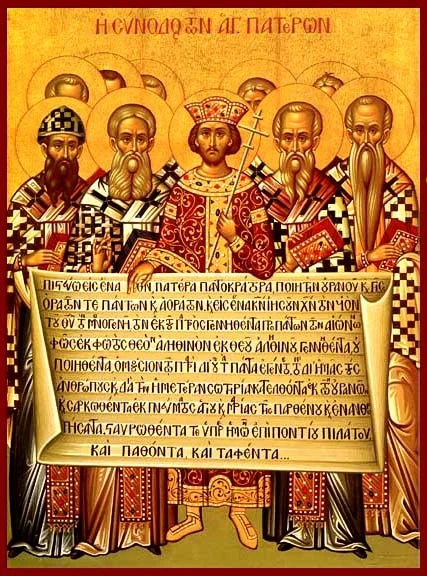
The Council of Nicaea was the first major gathering of Christian leaders, called by Emperor Constantine to resolve growing divisions within the Church. One of its main goals was to address the teachings of Arius, a priest who argued that Jesus Christ was not fully divine but rather a created being. This sparked heated debates about Christ’s nature, leading to the rejection of Arianism and the affirmation that Jesus is “of the same substance” as God the Father.
The council’s most enduring legacy is the Nicene Creed, a foundational statement of Christian faith that outlines beliefs in the Trinity: God the Father, Jesus Christ the Son, and the Holy Spirit. By bringing bishops together from across the Roman Empire, Nicaea marked a turning point for Christianity, cementing its theological unity and its growing role within the imperial structure.
The Second Council
The Council of Constantinople was convened by Emperor Theodosius I to address lingering theological disputes following the Council of Nicaea. Chief among these was the question of the Holy Spirit’s divinity, which some groups denied. The council affirmed the Nicene Creed, expanding it to clarify the role of the Holy Spirit as “the Lord, the Giver of Life,” equal with the Father and the Son. This established the doctrine of the Trinity more fully.
The council also condemned several heresies, including Apollinarianism, which claimed that Christ lacked a human mind, and reaffirmed the unity of Christ’s divine and human natures. By solidifying Christian orthodoxy and establishing Constantinople as a leading center of the Church, this council further unified doctrine across the empire, setting the stage for future theological debates. Its outcomes are often referred to as the Niceno-Constantinopolitan Creed.
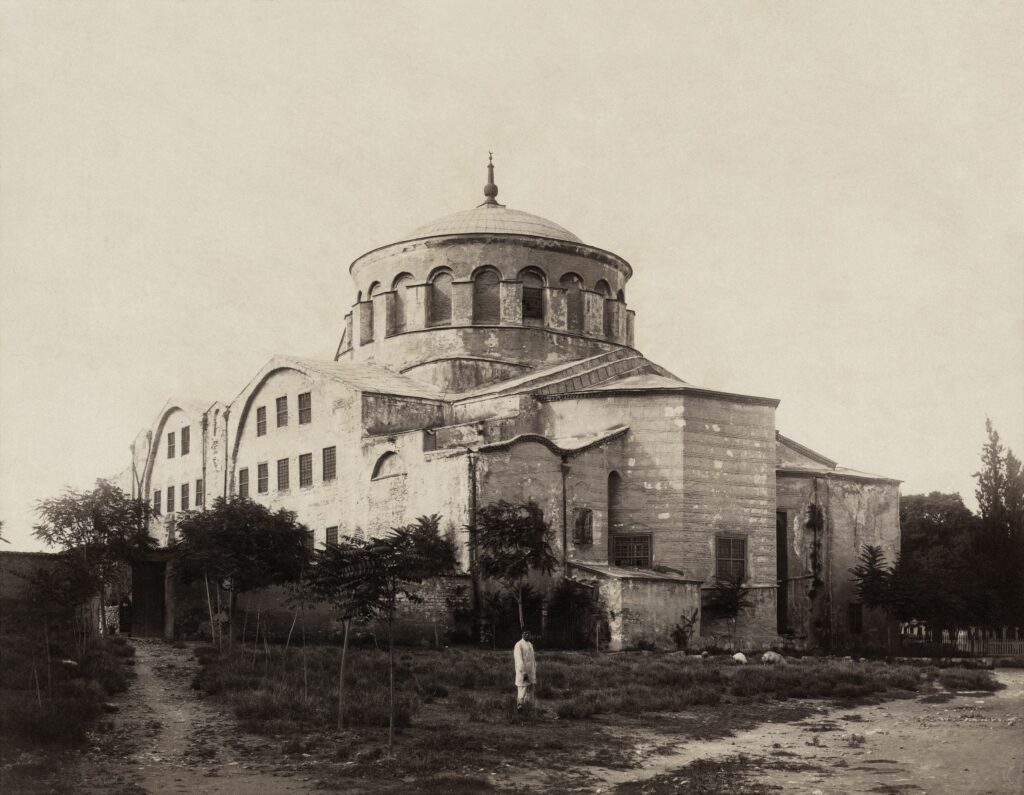
Pictured below is a reconstructed version of the building where this council took place.
Council of Ephesus
The council condemned Nestorius and affirmed Mary as Theotokos, emphasizing the unity of Christ’s divine and human natures. It reinforced the teachings of Cyril of Alexandria, who argued that Christ is one person with two inseparable natures. While the Council of Ephesus sought to maintain unity, it deepened divisions, laying the groundwork for future conflicts, including the debates leading to the Council of Chalcedon.
The Edict of Milan (313 AD)
Christianity became a legal religion in the Roman Empire, which cleared the way for the upcoming theological debates and councils.
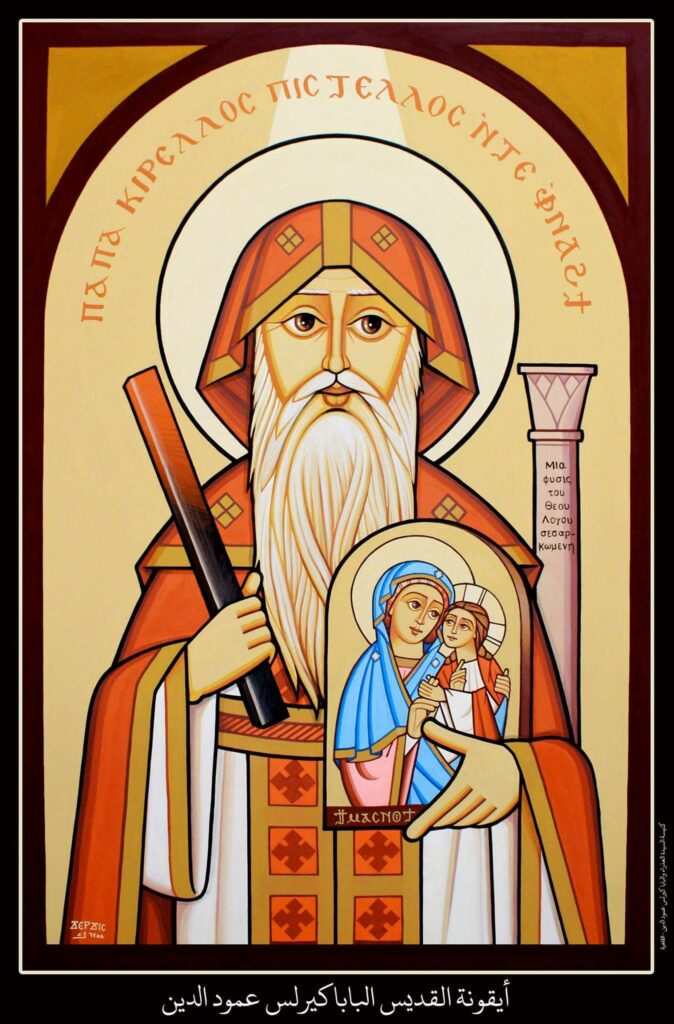
St. Cyril of Alexandria
St. Cyril’s teachings on Christ’s nature (‘one incarnate nature of God the Word’) set the foundation for later debates. Click here to learn more about important figures involved during this time.
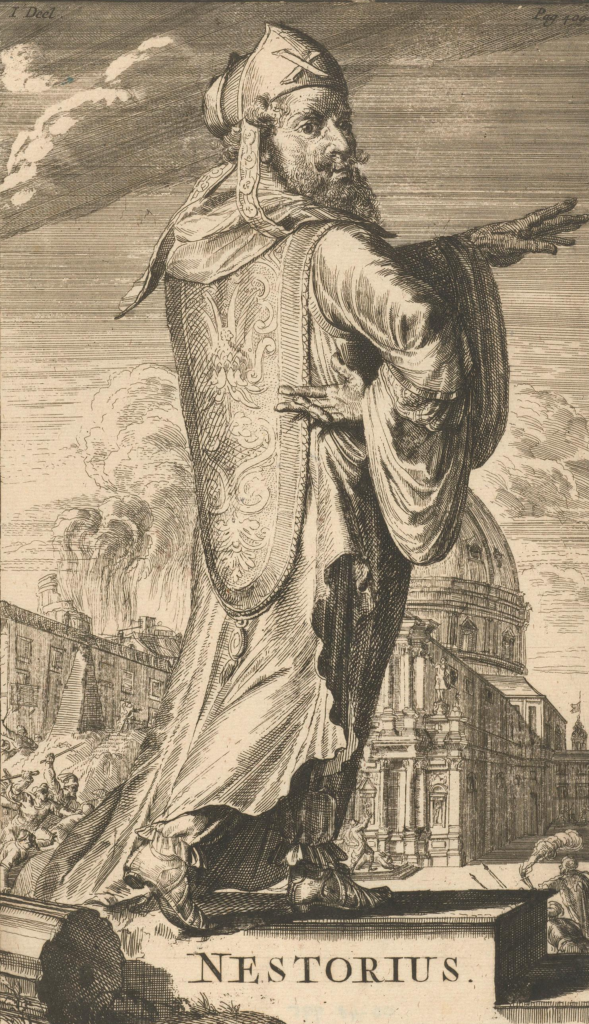
Nestorius
The third council condemned him to affirmed Saint Mary as the Theotokos, which meant to declare the absolute unity of Christ’s divine and human natures.
Early Christianity in Numbers
Here’s some statistics on for perspective on what the early Christian world would have been like around the time of the Councils.
~6 million
Estimated Christian population by 300 AD
Over 50%
Percentage of Roman citizens identifying as Christian by 400 AD
318
Number of bishops at Nicaea (325 AD)
Did You Know?
Fun facts about Early Christian History